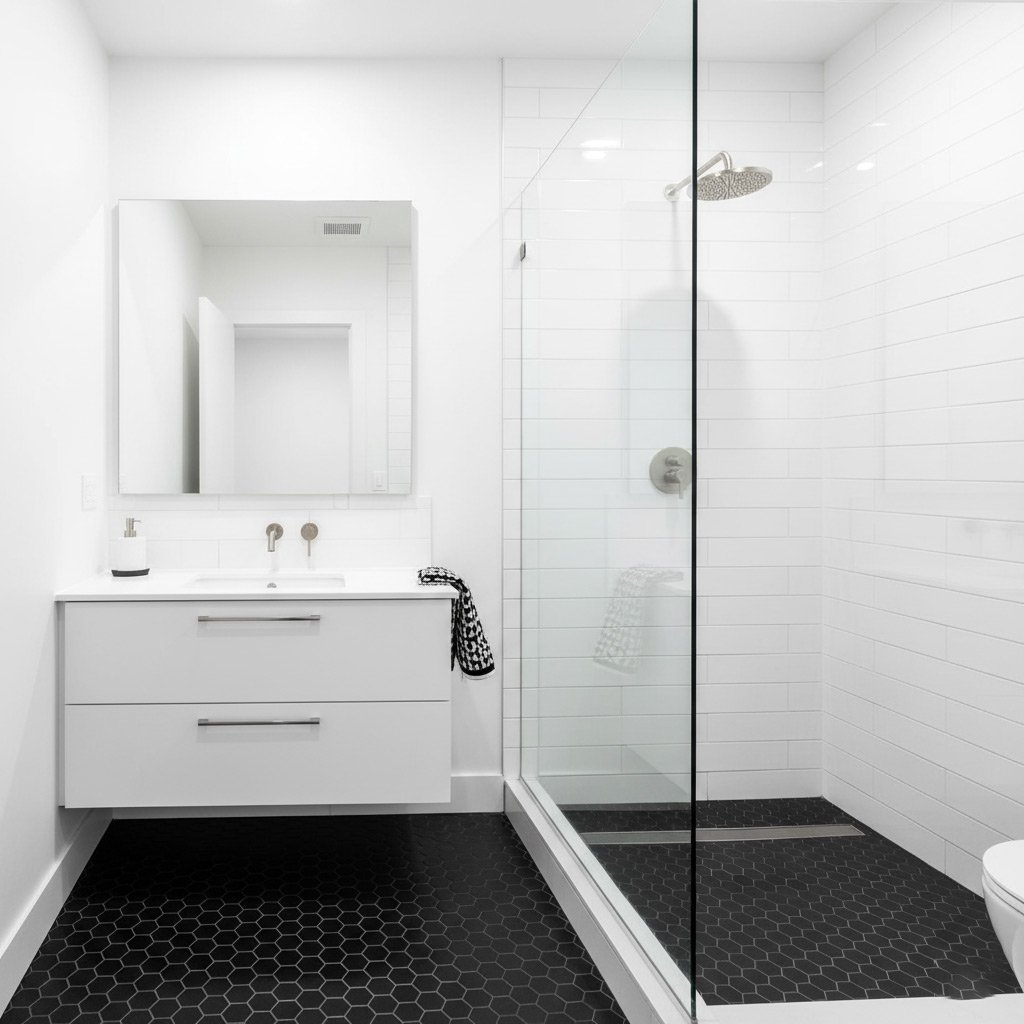
Picture this: you pull the shower curtain aside and step straight into a glass‑enclosed cascade that feels like a mini‑spa, all while the old tub disappears like a bad memory. That instant upgrade is the kind of change Apache Junction homeowners crave when they finally say goodbye to the bathtub.
Beyond the wow factor, a tub‑to‑shower swap slashes water bills, frees up floor space, and adds a modern punch that can boost your home’s market appeal. In a desert town where every drop counts, the practical payoff is as satisfying as the sleek look.
We’ll walk through the permits you’ll need, the design tricks that keep the space functional, and the price points that make sense for a desert budget. Stick around, and you’ll discover exactly how to turn that dated tub into a shower that works for you and your family.
Navigating Apache Junction Building Permits and Code Requirements
Before you swing a hammer, the town of Apache Junction wants to see paperwork. A building permit isn’t just a formality; it’s the green light that tells you your shower will pass inspection without a hitch. Skipping this step can mean costly re‑work or even a stop‑work order that stalls your project for weeks.
Permit Basics
- Building Permit – Required for any structural change, including removing a tub and framing a new shower enclosure.
- Plumbing Permit – Needed when you reroute drain lines or install new fixtures.
- Electrical Permit – Applies if you add lighting, a heated floor, or a new vent fan.
All permits are filed through the Apache Junction Planning & Development Services office. You’ll fill out a short application, attach a set of shop drawings, and pay a modest fee that scales with the project’s square footage.
Code Must-Haves
- Minimum shower head clearance of 78 inches from the floor to the top of the fixture.
- Drain slope of at least 1/4 inch per foot to prevent standing water.
- Ventilation that moves at least 50 CFM for every 100 sq ft of shower area.
- Water‑tight wall assemblies that meet the International Residential Code (IRC) Section R302.
When you hand over the plans, the inspector will check that your new shower meets these standards. If everything lines up, you’ll get a stamped approval and can move on to the fun part – picking tiles that make the desert heat feel like a spa.
Evaluating Your Existing Bathroom: Space, Plumbing, and Structural Feasibility
Measure Twice, Cut Once
First thing’s first—grab a tape measure and note the width, length, and ceiling height of the tub area. Every inch counts when you’re swapping a bulky tub for a sleek shower enclosure.
Sketch a quick floor plan and mark these critical dimensions:
- Clear floor space after the tub is removed
- Distance to the nearest wall or door swing
- Height of existing wall studs for a glass panel
Plumbing Realities
The drain and water lines are the heart of the conversion; you’ll need to know where they sit before you start tearing anything out.
Ask yourself:
- Is the tub’s drain directly over the main waste pipe?
- Can the existing supply lines reach a new shower valve without excessive rerouting?
- Do you have enough room for a curb‑less shower base, or will a raised platform be required?
Tip: A simple “look‑inside” with a flashlight can reveal hidden joists or pipe runs that could save you a costly surprise later.
Structure Check
Before you order a glass enclosure, confirm the wall can bear the load and stay watertight.
Key points to verify:
- Are the studs solid wood or metal framing?
- Is the floor joist capable of handling a heavier shower pan?
- Will you need additional waterproof backer board or a new vapor barrier?
Bottom line: If the structure passes these quick tests, you’re ready to move from “maybe” to “let’s do it.”
Design Strategies for Desert‑Friendly Showers: Enclosures, Tiles, and Water‑Saving Fixtures
Choosing the Right Enclosure
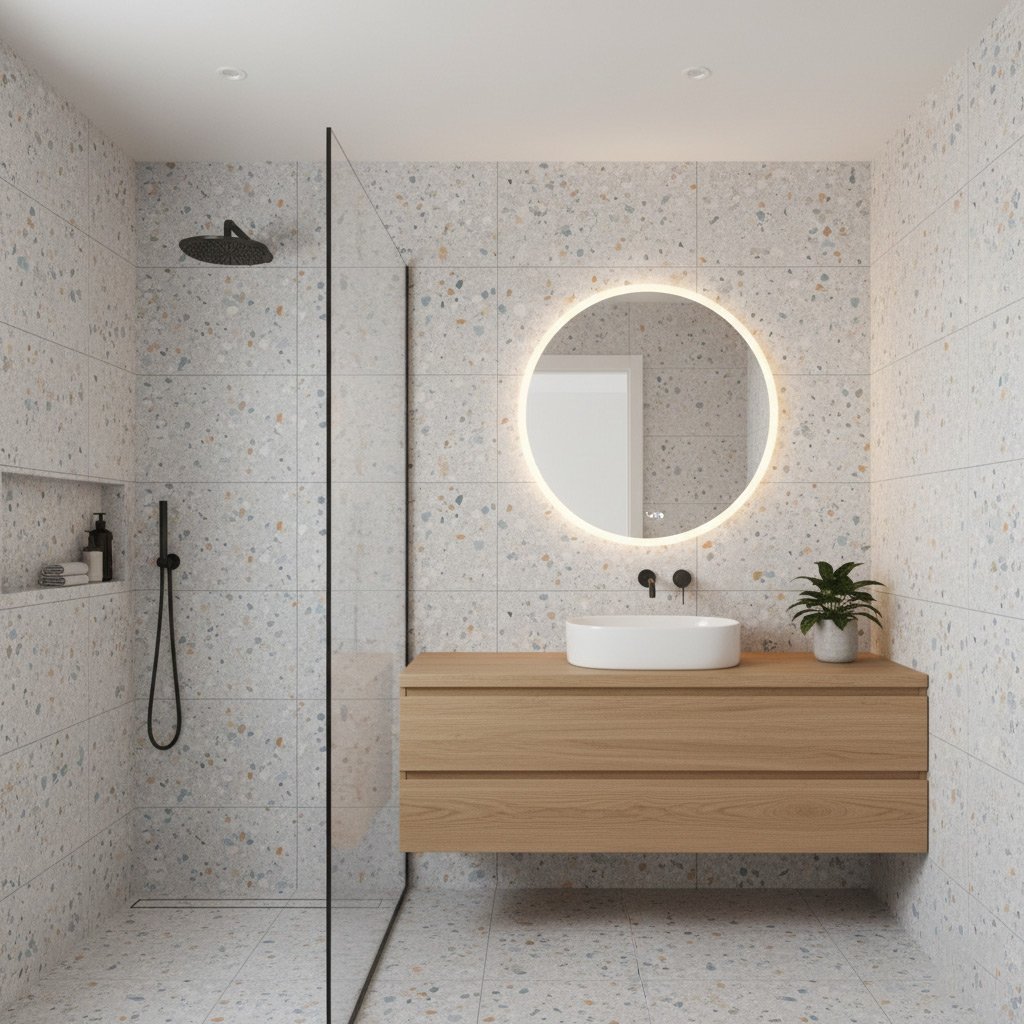
In a sun‑baked town like Apache Junction, a clear glass door does double duty – it looks sleek and lets natural light bounce around the space. Frameless sliding panels save floor room and stay cool, while a hinged door with a low‑profile threshold keeps water where it belongs.
- Tempered safety glass – shatter‑proof, easy to clean.
- Aluminum or powder‑coated frames – resist rust from desert humidity.
- Low‑threshold or curb‑less designs – perfect for seniors and kids.
Tile Choices That Beat the Heat
Large‑format porcelain tiles act like a heat sink, staying cool underfoot even after a hot day outside. Light‑colored, matte finishes reflect sunlight, reducing the need for extra cooling in the bathroom.
- Slip‑resistant surface – safety first.
- Porcelain or ceramic with a water‑repellent glaze – easy to seal.
- Accent mosaics in desert hues – add visual interest without overwhelming the eye.
Fixtures That Keep the Bill Low
Modern low‑flow showerheads can deliver a powerful spray while using a fraction of the water a traditional head guzzles. Pair them with a thermostatic valve, and you get consistent temperature without the waste.
- 2.5 gpm (gallons per minute) or lower flow rates.
- Thermostatic mixing valve – eliminates temperature swings.
- Digital or sensor‑activated controls – turn off water the instant you step out.
Budgeting the Conversion: Cost‑Effective Materials vs. Premium Upgrades
Know Your Baseline
Before you start dreaming about marble walls, pin down the core numbers. A typical tub‑to‑shower swap in Apache Junction runs between $4,500 and $7,200, depending on labor and basic fixtures.
Break it down:
- Demo & disposal: $500‑$800
- Plumbing reroute: $800‑$1,200
- Shower base & pan: $600‑$1,100
- Standard glass enclosure: $1,200‑$1,800
- Labor: $1,200‑$2,000
Where to Splurge, Where to Save
Not every element needs a five‑star price tag. Choose wisely.
Save on:
- Tile: ceramic or porcelain offers durability without the cost of natural stone.
- Showerhead: a good rain‑type model can be found for under $150.
Splurge on:
- Water‑saving fixtures: high‑efficiency valves cut bills long‑term.
- Custom glass: tempered, low‑iron glass adds a luxe feel and resale value.
Smart Savings Hacks
Keep the project on track with a few simple tricks.
Ask for a fixed‑price contract to avoid surprise invoices. Reuse the existing shower valve if it’s in good shape—this can shave $200‑$300 off the total.
Finally, schedule work during the off‑season (late fall or early winter). Contractors often lower rates when business slows, giving you a better deal without compromising quality.
Selecting the Right Contractor: Key Questions and Red Flags for Local Homeowners
Ask the Right Questions
Before you sign a pen, fire off these basics: How long have you been doing tub‑to‑shower swaps in Apache Junction? Local experience means they know the permit quirks and desert‑ready materials.
Next, demand proof of insurance and a copy of their license. A reputable crew will hand it over without hesitation. Ask for a written timeline so you can see when demolition ends and the new shower starts.
- Do you subcontract any part of the work?
- Can you provide at least three recent references?
- What’s your warranty on plumbing and tile work?
Red Flags to Watch
Beware of contractors who quote a “flat rate” that seems too good to be true. It often hides hidden fees for demolition, disposal, or extra tile.
Another warning sign: they can’t give you a detailed, itemized estimate. Vague numbers mean you’ll be surprised later. Skip anyone who asks for full payment up front—a 30% deposit is standard, the rest should be tied to milestones.
- No portfolio or before‑and‑after photos.
- Reluctance to discuss permits or code compliance.
- Pressure to start immediately without a written contract.
Seal the Deal with a Solid Contract
When you’ve cleared the questions and red flags, lock everything in a contract. Include start and finish dates, payment schedule, and a clause for change orders. Read the fine print and keep a copy for your records—this is your safety net if anything goes sideways.
Case Study: From Outdated Tub to Spa‑Like Shower – A Real Apache Junction Transformation
The Starting Point
When the Martinez family opened their bathroom door, they were greeted by a cracked, water‑stained tub that looked like it belonged in the 80s. Space was tight, and the old fixture guzzled water like a thirsty camel. They wanted a sleek shower that could handle a busy morning routine without draining the wallet.
The Transformation Process
We began by stripping the tub and exposing the existing plumbing. The crew installed a new, water‑saving valve and rerouted the drain to accommodate a linear shower base. The result? A clean, open floor plan that feels larger than the whole house.
- Shower enclosure: Frameless tempered glass, 3‑mm thick for durability.
- Tile selection: Porcelain tiles with a matte finish, perfect for desert heat.
- Fixture upgrade: Low‑flow rainhead and handheld sprayer, both under 2 gpm.
The Results
After the conversion, the Martinez’s water bill dropped by 18 % in the first month. The bathroom now boasts a spa‑like vibe that impresses guests and adds resale value. Best part? The family says stepping into the shower feels like a daily retreat, not a chore.
Final Words
Ready to swap that tub for a shower that actually works for your desert lifestyle? The first move is simple: grab a copy of your permit checklist, call a licensed contractor, and lock in a site visit. Seeing the space in person will confirm the plumbing routes and give you a realistic timeline.
Quick Wins Before the Big Pull‑Start
- Measure the floor area twice – you’ll thank yourself when the shower enclosure fits perfectly.
- Swap out old faucet hardware for a low‑flow valve; it cuts water use without sacrificing pressure.
- Pick a tile with a slip‑resistant rating; desert dust loves to settle, and safety wins.
When you’re set, head over to our Tub to Shower Conversions page for a deeper dive into material options and contractor vetting tips. A few smart choices now will keep your bathroom looking fresh and your water bill low for years to come.
People Also Ask
Do I need a building permit for a tub‑to‑shower conversion in Apache Junction?
Yes, most tub‑to‑shower projects require a building permit to ensure compliance with local plumbing and electrical codes. Check with the Apache Junction Planning & Development Services Department before starting work.Can I convert my tub to a shower without moving the existing plumbing?
In many cases the existing drain and water supply can be reused, especially if the new shower is placed in the same footprint as the tub. However, a professional assessment is needed to confirm feasibility and code compliance.What shower designs work best for the desert climate of Apache Junction?
Desert‑friendly showers feature water‑saving fixtures, slip‑resistant tiles, and enclosed glass doors to contain steam. Materials like porcelain or natural stone that stay cool and resist moisture are ideal.How much does a typical tub‑to‑shower conversion cost in Apache Junction?
Basic conversions start around $3,500, while premium upgrades—such as custom tile work or high‑end fixtures—can exceed $8,000. Costs vary based on material choices, labor rates, and any structural modifications required.What should I look for when hiring a contractor for a tub‑to‑shower remodel?
Choose a contractor licensed in Arizona, with proven experience in bathroom remodels and positive local reviews. Ask for a detailed written estimate, verify insurance coverage, and watch for red flags like vague timelines or unusually low bids.
Apache Junction Bathroom Remodel specializes in custom bathroom renovations, bringing over a decade of craftsmanship to homes throughout Apache Junction, Arizona. Their team combines local knowledge with meticulous attention to detail to transform spaces into functional, stylish retreats. Committed to personalized service, they guide each project from design through completion with clear communication and reliable timelines.
Need Bathroom Remodel?
We transform bathrooms in Apache Junction and nearby ZIPs (85120, 85131, 85118, 85138) with fast, high‑quality remodels that boost comfort and home value. Our team delivers projects on schedule so you can enjoy your new space without delay.
Get Bathroom Quote